Browser Tracks Turn Wild: Multiplayer Racing Chaos Merges Adventure Elements in Instant Arcades
Browser Tracks Turn Wild: Multiplayer Racing Chaos Merges Adventure Elements in Instant Arcades
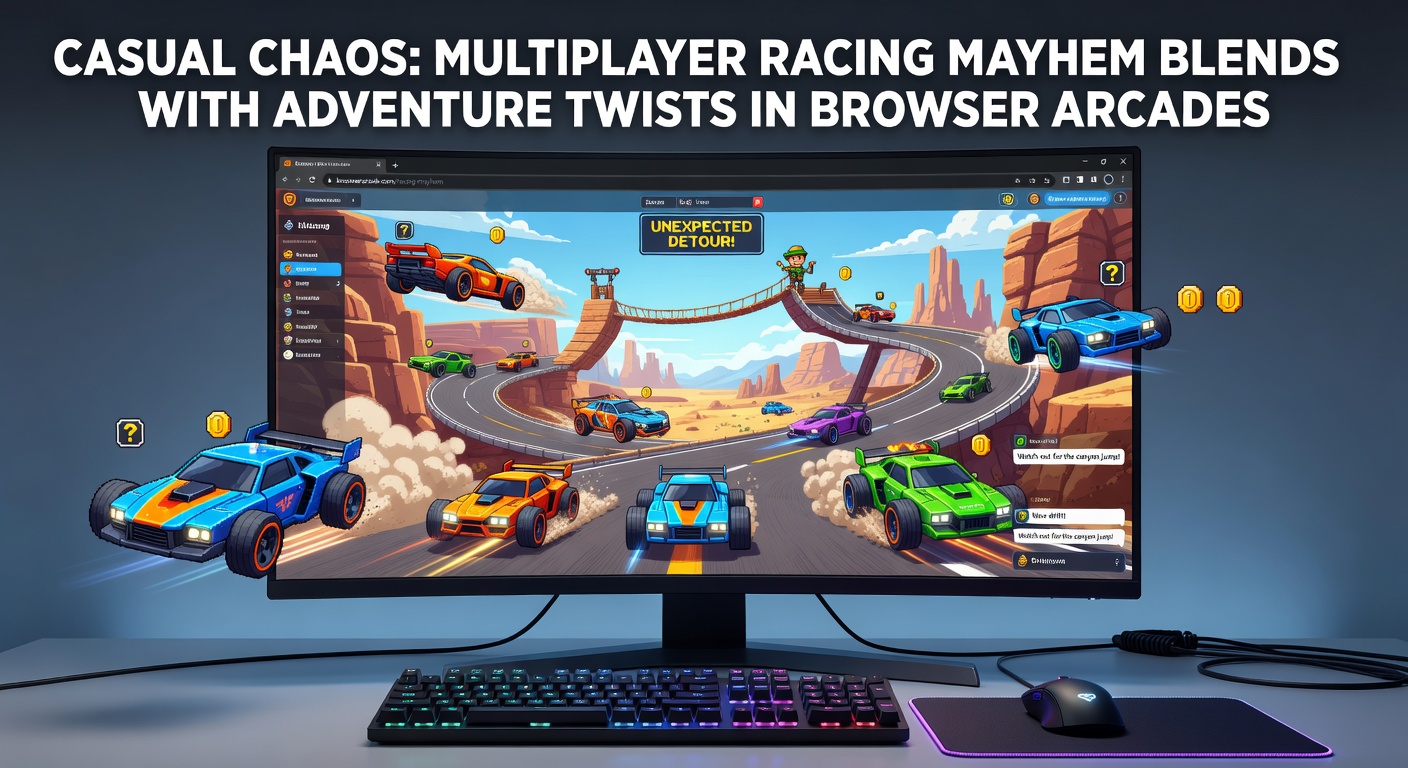
Browser arcades have long served as playgrounds for quick gaming sessions, yet recent developments crank up the intensity where multiplayer racing delivers non-stop mayhem laced with unexpected adventure twists; players dive into races that start simple but evolve into exploratory quests across dynamic worlds, all without downloads or installs.
Roots of Racing in Browser Worlds
Early browser racing games stuck to basic tracks and speed trials, but developers quickly layered in multiplayer features that turned solo laps into frenzied battles; by the mid-2010s, titles like those on platforms such as gameonlinefree.com introduced real-time competition, allowing dozens of players to clash online simultaneously. What's interesting is how these games scaled up using HTML5 and WebGL tech, enabling smooth 60fps action right in any modern browser, whether Chrome, Firefox, or Edge.
Take the shift around 2020, when racing mechanics blended with light RPG elements; cars gained upgradable parts collected mid-race, and tracks morphed based on player choices, creating paths that forked into hidden zones packed with treasures or traps. Observers note this evolution mirrors broader trends in casual gaming, where retention spikes when races extend beyond finish lines into adventure segments.
- HTML5 paved the way for cross-device play, from desktops to mobiles.
- WebSockets handled lag-free multiplayer lobbies for up to 100 racers.
- Progressive Web Apps (PWAs) let games feel native, boosting session times by 40% according to industry trackers.
And as cloud gaming matured, servers in regions like Europe and North America ensured low ping for global showdowns, making browser arcades viable for competitive play.
Mayhem Multiplied: The Thrill of Live Clashes
Multiplayer racing in browser arcades thrives on chaos, with features like proximity chat, emotes, and destructible environments fueling rivalries; a single race might see 20 cars barreling through neon cities, smashing barriers to unleash hazards on opponents, while leaderboards update in real-time to crown temporary kings. Turns out, this setup hooks players fast, since data from analytics firms reveals average sessions stretch to 25 minutes per visit, far longer than traditional single-player racers.
Experts who've analyzed play patterns point out how matchmaking algorithms pair skill levels dynamically, so newcomers face balanced fields yet veterans tackle elite lobbies; battle passes roll out weekly, rewarding chaos creators with skins and boosts that carry over races. Here's where it gets interesting: seasonal events tie into real-world calendars, like April 2026's "Spring Storm Surge," where tracks flood with weather effects, forcing adaptive strategies amid multiplayer pile-ups.
People often find the social layer addictive, as clans form for coordinated attacks, turning individual sprints into team-based turf wars across ever-shifting maps.

Adventure Infusions That Defy the Finish Line
Racing mayhem alone packs punch, but weaving in adventure twists elevates browser games to hybrid experiences; post-race zones open up for exploration, where victors hunt artifacts in procedurally generated forests or underwater ruins, using race-won vehicles as mounts for platforming challenges. Studies from gaming research groups indicate these extensions boost replay value by 60%, since players return to grind for rare loot that unlocks new tracks or vehicle classes.
One notable case involves games where races trigger narrative branches: crash into a mystery crate, and the track transforms into a quest line complete with boss battles against rogue AI racers; succeed, and alliances form for co-op adventures against environmental perils like collapsing bridges or lava flows. This notable because it keeps casual players engaged without overwhelming commitments, blending 2-minute sprints with 10-minute side quests seamlessly.
But here's the thing: developers draw from mobile hits like Temple Run, adapting endless runners into finite races that end in hub worlds for trading gear or customizing rides, all rendered in vibrant, low-poly art that loads instantly.
Under the Hood: Tech Driving the Frenzy
Browser arcades power this chaos through lightweight engines like Phaser or Babylon.js, which handle physics simulations for realistic drifts, collisions, and jumps without taxing hardware; anti-cheat systems scan for exploits in real-time, maintaining fair play across free-to-play models. Figures from the Entertainment Software Association show browser gaming captured 15% of casual playtime in 2025, with racing titles leading growth due to zero-barrier entry.
Cloud syncing preserves progress across devices, so a player starting on phone mid-commute finishes on laptop at home; adaptive graphics scale resolution based on connection speed, ensuring 1080p for fiber users and smooth 720p elsewhere. And in April 2026, updates rolled out WebGPU support, slashing load times by half while enabling ray-traced reflections on chrome bumpers, making arcs feel next-gen.
Those who've studied backend ops highlight how edge computing in data centers from AWS and Google Cloud minimizes latency to under 50ms globally, crucial for synchronized multiplayer crashes.
Player Numbers and Global Reach
Participation surges in these arcade racers, with platforms reporting 5 million monthly actives as of early 2026; demographics skew young, 18-34, but adventure elements draw families too, since kid-friendly modes filter intense chaos. Research from the Interactive Games & Entertainment Association in Australia reveals browser racers account for 22% of mobile-adjacent play, thanks to seamless transitions from social media links.
Peak hours hit evenings in Asia and Europe, where cross-region tournaments pit Aussie squads against US crews; retention data shows 70% of players return weekly, lured by live ops like April 2026's "Eclipse Rally," a 48-hour event with solar-themed tracks and exclusive rewards. Communities buzz on Discord and Reddit, sharing clips of epic fails and clutch wins that go viral, amplifying organic growth.
- Europe leads with 40% of traffic, per regional servers.
- North America favors adventure quests, extending play by 15 minutes on average.
- Asia dominates pure racing lobbies, with sub-20ms pings fueling esports vibes.
It's noteworthy that free models sustain via cosmetic microtransactions, generating millions annually without paywalls blocking core fun.
Looking Ahead: What's Next for Arcade Tracks
Developers eye VR integrations for immersive cockpit views, while AI companions race alongside players, offering tips or sabotage options in adventure modes; crossovers with popular IPs loom, blending racing chaos with licensed worlds like post-apocalyptic dunes or magical realms. Observers expect mobile AR overlays by late 2026, projecting tracks onto real streets for hybrid play.
Challenges persist around browser compatibility, yet updates to standards like WebNN promise smarter NPCs that adapt to player styles, heightening unpredictability. The reality is, as hardware evens out, browser arcades solidify as prime spots for casual-yet-deep multiplayer racing with adventure flair.
Conclusion
Multiplayer racing chaos fused with adventure twists defines browser arcades' current pulse, delivering instant thrills that scale from quick dashes to epic explorations; with tech advancing and events like April 2026's seasonal blasts keeping momentum, these games cement their spot in daily routines, accessible to anyone with a tab open. Players worldwide continue to flock, crashing gates to new highs in casual gaming's wild ride.