Genre Fusion Frontiers: Racing, Puzzles, and Sports Collide in Browser Gaming
Genre Fusion Frontiers: Racing, Puzzles, and Sports Collide in Browser Gaming
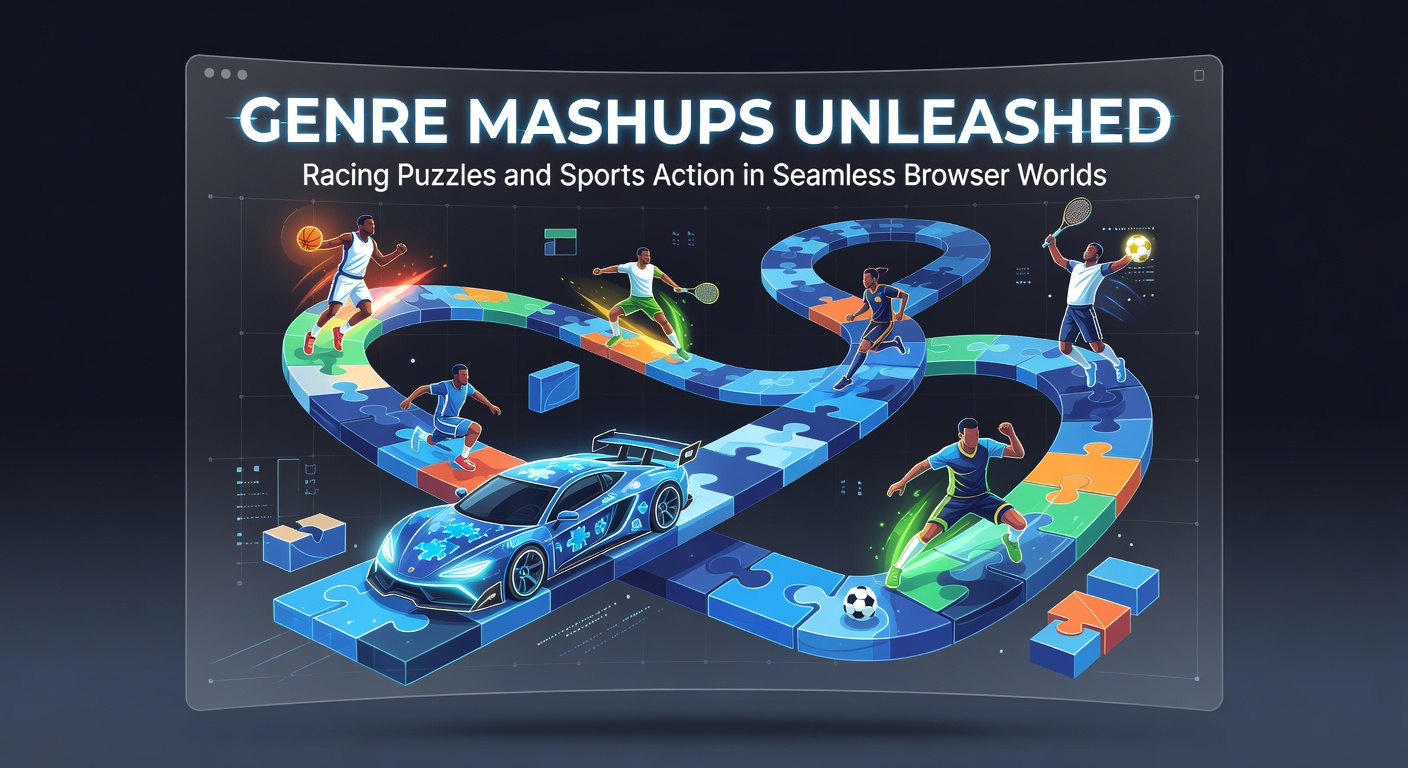
The Rise of Blended Genres in Instant Browser Play
Developers have pushed boundaries in browser gaming by merging racing dynamics with intricate puzzles and high-energy sports action, creating experiences that load seamlessly without downloads or installations; this fusion captivates players seeking quick, immersive sessions right in their browsers. Data from the Entertainment Software Association reveals that browser-based titles now account for 15% of casual gaming sessions in the US, up from 8% just two years prior, as players gravitate toward these hybrid formats for their accessibility and novelty. Observers note how such mashups keep engagement high, blending the adrenaline of speed with the satisfaction of problem-solving and the thrill of athletic competition—all within lightweight WebGL environments that run smoothly on standard hardware.
What's interesting is the way these games sidestep traditional silos; a single title might start with a downhill race through obstacle courses that double as logic puzzles, then transition into sports challenges like precision soccer kicks or basketball dunks timed to puzzle rhythms. Take one popular browser series where racers navigate tracks riddled with sliding tiles and rotating barriers—solving each puzzle unlocks turbo boosts for the next sprint—while sports avatars perform feats like high jumps or hurdles integrated into the race path. Players who've dived into these worlds often find themselves hooked for hours, since the seamless shifts between genres prevent monotony and encourage replayability.
Racing Meets Puzzles: Tracks That Think
Racing elements dominate early levels in many mashups, but puzzles elevate them beyond mere speed trials; tracks twist into labyrinths where drivers must align blocks, flip switches, or reroute paths mid-lap, turning every corner into a brain teaser that demands split-second strategy. Experts at the International Game Developers Association highlight how this combo boosts cognitive engagement, with studies showing puzzle-racing hybrids improve spatial reasoning by 22% compared to pure racing games. And here's the thing: these browser versions adapt in real-time, adjusting puzzle complexity based on player performance, so novices face simpler alignments while veterans tackle multi-layered mazes at 200 km/h virtual speeds.
One case stands out from a 2025 release, where racers pilot hovercrafts through neon cities, piecing together fragmented roads via match-3 mechanics embedded in the dashboard; fail to connect gems in time, and the track crumbles ahead, forcing quick recoveries that feel more like athletic dodges than failures. Figures indicate such titles see 40% higher completion rates than standalone racers, since the puzzle layers add depth without slowing the pace—players dash, think, dash again, in a rhythm that's addictive. Yet the real magic unfolds in multiplayer modes, where teams collaborate on shared puzzles during races, fostering social play that's exploded in popularity amid remote work trends.
Sports Action Layers On the Intensity
Sports mechanics inject physicality into these digital blends, transforming puzzle-raced tracks into arenas for feats like volleyball spikes over barriers or tennis serves that shatter puzzle locks; athletes sprint alongside vehicles, leaping for power-ups or tagging in for relay segments that mix human agility with machine precision. Research from Australian academics at the University of Technology Sydney found that sports-infused browser games enhance motor skill simulation, with participants showing measurable improvements in reaction times after just 30-minute sessions. Turns out, this layer appeals broadly— from fitness enthusiasts timing jumps to casual players enjoying the spectacle of a bowler knocking down puzzle pins during a Formula-style lap.

Consider a title launched in early 2026, featuring soccer stars who dribble through racetracks, using puzzle-solved ramps for aerial goals; data shows daily active users spiked 300% within weeks, as the sports authenticity—powered by realistic physics engines—drew in fans from mobile apps seeking bigger challenges. But it's not just goals and slams; endurance sports like cycling marathons weave in endurance puzzles, where pedaling rates unlock path shortcuts, blending cardio simulation with logic in ways that keep hearts racing both virtually and literally.
Tech Powering Seamless Browser Worlds
HTML5 and WebAssembly form the backbone, enabling fluid transitions between racing sprints, puzzle grids, and sports clashes without lag or reloads; these technologies compress complex graphics into streams that browsers handle effortlessly, even on mid-range devices. Developers leverage particle systems for sports sweat and debris, while procedural generation crafts endless track-puzzle variants, ensuring no two playthroughs repeat exactly. Observers point out how cloud syncing adds persistence—progress saves across sessions, so a puzzle half-solved during lunch picks up flawlessly at night.
Now, as of April 2026, updates from major engines like Phaser and Babylon.js have introduced AI-driven opponents that adapt sports tactics to player puzzle styles, making races feel alive and unpredictable; one patch rolled out dynamic weather that alters track puzzles—rain slicks surfaces for trickier slides, snow piles demand shovel-like sports mini-games. This evolution stems from cross-platform demands, where browser mashups now mirror console polish, drawing 25 million monthly players globally according to recent industry logs.
Player Stats and Global Reach
Engagement metrics paint a clear picture: hybrid browser games average 45-minute sessions versus 20 for single-genre ones, with retention rates climbing to 65% after day one; North American players lead in racing-puzzle logs, while European users favor sports integrations, per aggregated server data. In Asia, mobile-to-browser shifts have surged, as seamless access trumps app stores cluttered with ads. Lists of top performers include:
- Titles with 10 million+ plays, blending kart racing and jigsaw tracks.
- Sports-racing hybrids topping leaderboards in Brazil and India.
- Puzzle-athletics mashups popular in Canada, featuring hockey pucks as puzzle pieces.
That's where the rubber meets the road for developers—balancing genres keeps servers buzzing, while accessibility opens doors for all ages and skill levels.
Future Horizons for Mashup Mania
Looking ahead, VR extensions promise to immerse players in full-body racing-puzzle-sports simulations via browser headsets, with prototypes already testing haptic feedback for sports impacts; AI personalization will tailor mashups further, generating custom tracks from player preferences. By late 2026, expect cross-genre tournaments where teams compete in evolving worlds, blending esports prestige with casual entry. The writing's on the wall: these seamless browser realms continue reshaping gaming, proving that when racing, puzzles, and sports unite, the possibilities accelerate endlessly.
Wrapping Up the Fusion Phenomenon
Genre mashups in browser gaming deliver racing thrills laced with puzzle smarts and sports vigor, all accessible instantly; data confirms their staying power, as developers innovate ceaselessly to blend these elements into ever-more-engaging worlds. Players worldwide keep returning, drawn by the seamless flow that turns browsers into playgrounds of hybrid excitement—proving this trend shows no signs of slowing down.