Retention Data Uncovers Genre Experimentation in Web-Based Short Sessions
Written by Gisela Washington · Aug 2, 2026
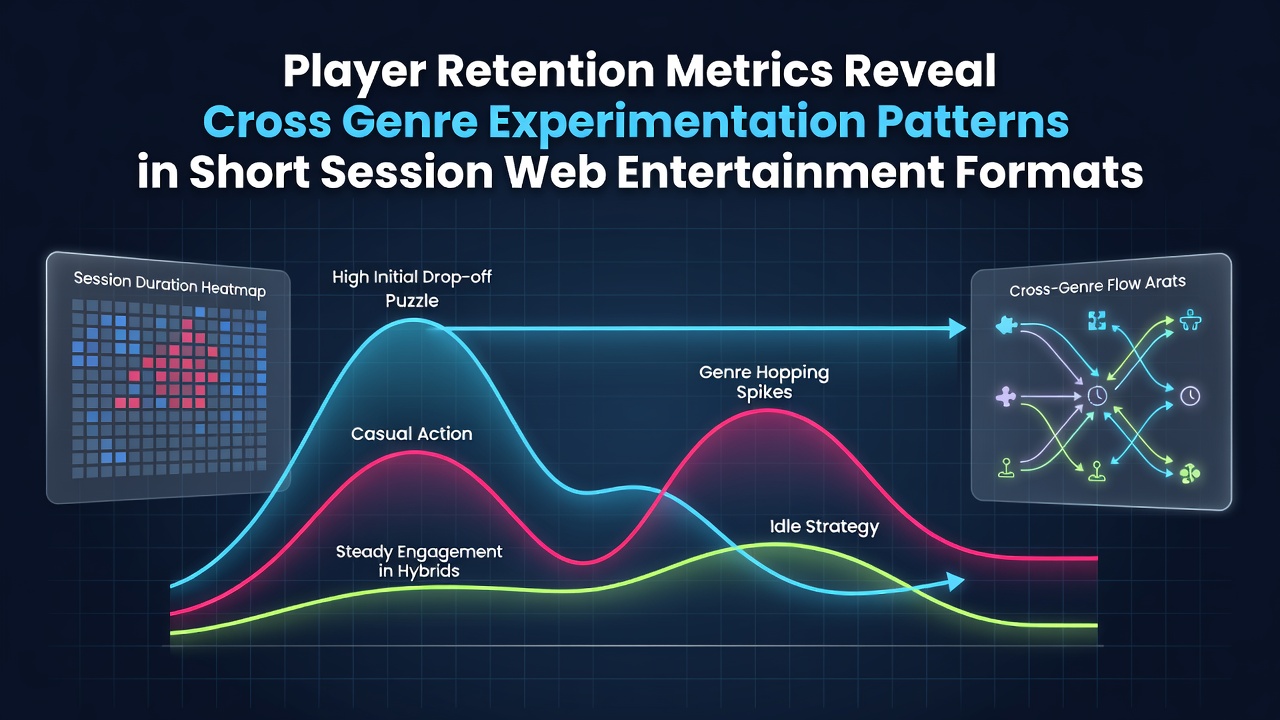
Retention Data Uncovers Genre Experimentation in Web-Based Short Sessions
Player retention metrics collected across multiple web platforms during August 2026 illustrate patterns of cross-genre experimentation within short session formats, where developers combine elements from racing, puzzle, and sports categories to extend user engagement times. Data from these sessions show that hybrid mechanics appear in brief play windows lasting under five minutes, and retention rates climb when participants encounter layered challenges that draw from distinct genres rather than single-category experiences.
Tracking Retention Through Session Analytics
Platform operators monitor completion rates, return visits, and time spent per session using aggregated user logs that capture behavior across casual web titles, and figures reveal consistent upticks when games integrate precision timing from racing segments with logic sequences typical of puzzle designs. Researchers at academic institutions note that these combinations occur most frequently in multiplayer setups where participants compete or cooperate in real time, while single-player variants show similar but slightly lower retention lifts according to industry reports compiled by groups such as the Entertainment Software Association.
Short session formats allow quick entry and exit, yet the addition of hybrid features encourages repeated logins because players encounter fresh combinations on each visit. Metrics indicate that titles blending team-based sports strategies with exploration mechanics maintain higher daily active user counts, and this holds true even when sessions remain capped at three to four minutes on average.
Genre Blending Observed in August 2026 Data
During August 2026, analytics firms recorded spikes in cross-genre titles on instant-access web portals, where developers tested puzzle layers inside racing loops or added sports scoring systems to arcade-style challenges. Observers note that these experiments align with retention goals because participants who sample multiple mechanics within one short window demonstrate greater likelihood of returning within twenty-four hours compared to those limited to uniform gameplay loops.
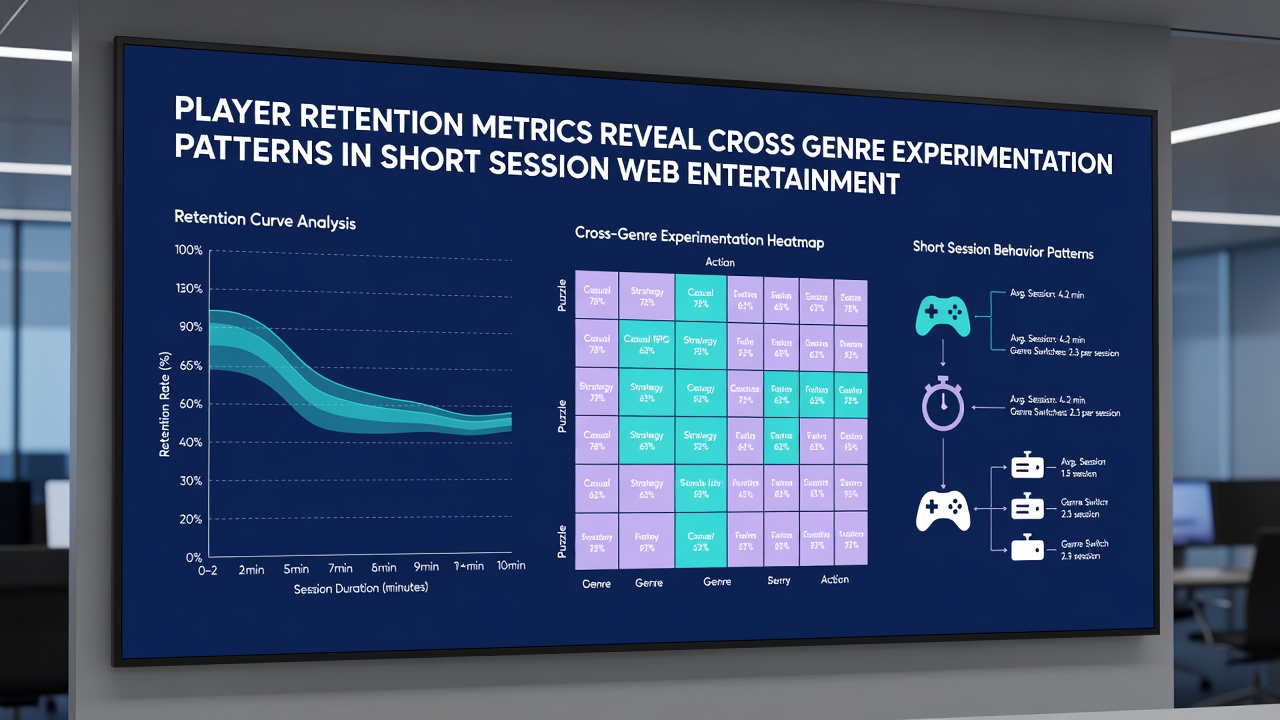
One study released by a Canadian research consortium tracked over two million sessions and found that games featuring at least two distinct genre influences achieved completion rates twenty-eight percent higher than pure-genre counterparts, while multiplayer variants further increased repeat engagement by incorporating cooperative puzzle elements into competitive sports frameworks. The same report highlights that browser-based systems facilitate these tests because updates deploy instantly without requiring downloads, allowing rapid iteration based on live metric feedback.
Platform and Developer Responses
Web entertainment providers respond to these patterns by adjusting matchmaking algorithms to pair users with sessions that emphasize hybrid mechanics, and this approach stems from retention figures that link genre variety directly to session frequency. Developers incorporate feedback loops where players unlock new genre twists after completing core challenges, and data shows such progression systems sustain interest across multiple short visits without extending individual play times beyond platform norms.
Those who analyze these trends point to examples where a basic racing core gains puzzle navigation segments that require players to solve spatial problems while maintaining speed, resulting in measurable gains in average sessions per user over weekly periods. European digital media associations have documented similar outcomes in regional markets, confirming that short-burst formats benefit when experimentation crosses traditional boundaries yet stays accessible through simple controls.
Conclusion
Retention metrics continue to guide development decisions in short session web entertainment, and the patterns observed through August 2026 demonstrate that cross-genre experimentation correlates with stronger user return rates across racing, puzzle, and sports hybrids. Platform data supports ongoing refinement of these combinations because aggregated logs consistently associate layered mechanics with sustained participation in brief play windows.